




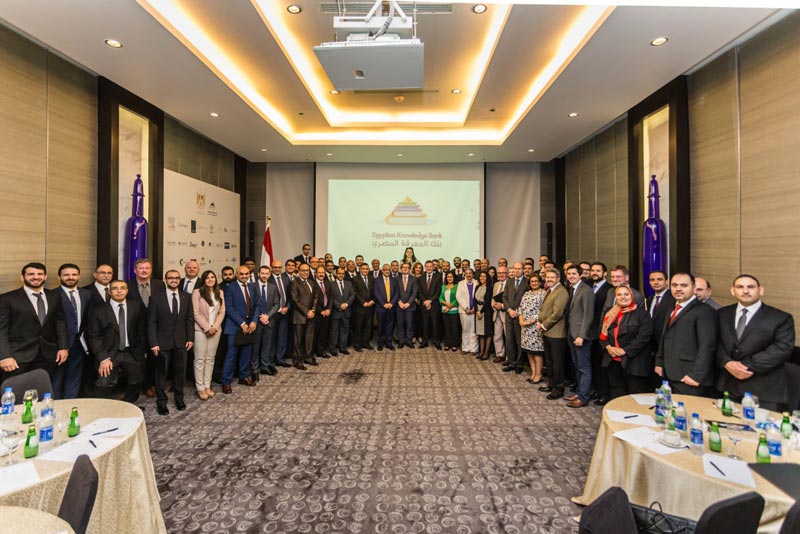
President Abdel Fattah El-Sisi officially launched the Egyptian Knowledge Bank project on Saturday, 14 November 2015. The project aims to develop the scholarly research system and provide scientific and knowledge content free of charge to all Egyptians, with a positive impact on education and scholarly research.
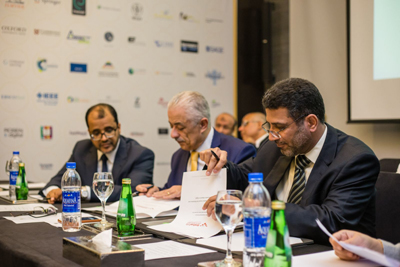
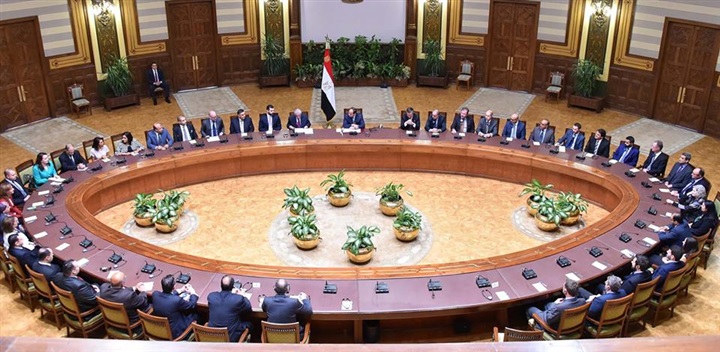
President El-Sisi met with a large group of heads of leading international publishing houses and technology companies involved in providing educational and knowledge resources, in the presence of Dr. Tarek Shawky, Supervisor of the General Secretariat of the Specialized Councils affiliated with the Presidency, and members of the Specialized Council for Education and Scientific Research.
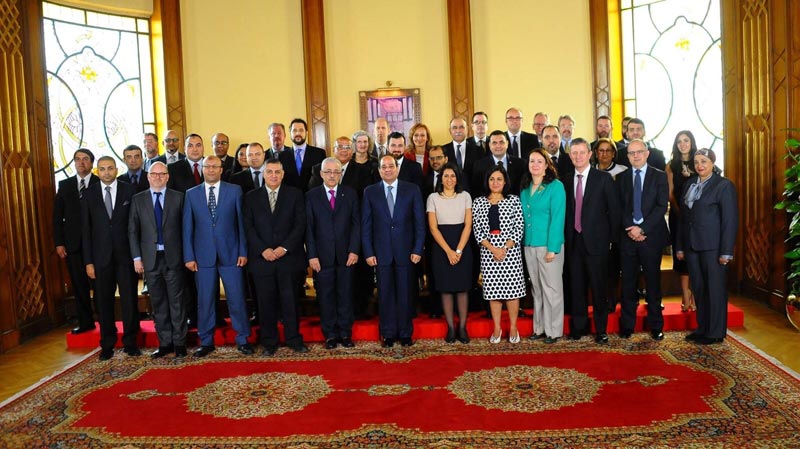
The President thanked the attendees and the members of the Specialized Council for Education and Scientific Research for their efforts in implementing the Egyptian Knowledge Bank project, explaining that the project would play a leading role in advancing education and elevating the scholarly research system in Egypt by making information and knowledge resources available to students and researchers, which would contribute to improving Egypt’s standing in scholarly research.
Dar Almandumah databases were selected to provide the Egyptian Knowledge Bank with Arabic scholarly content, as Dar Almandumah owns the largest Arabic databases and includes the vast majority of Arabic scholarly journals and periodicals from across the Arab world.
All people in Egypt will be able to access Dar Almandumah’s six databases:
- EduSearch for education and social sciences.
- EcoLink for economics and management.
- IslamicInfo for Islamic and legal studies.
- AraBase for language and literature.
- HumanIndex for the humanities.
- Dar Almandumah Theses Database.
and benefit from the hundreds of thousands of research papers, studies, and academic theses available in these databases from any governorate or city in Egypt.
At a press conference held today at Al-Ittihadiya Palace, Dr. Tarek Shawky stated that the project represents a step toward building a knowledge-based society by making science and human knowledge easily accessible to every Egyptian citizen on Egyptian soil. He added that the public portal of the Egyptian Knowledge Bank would be launched on 8 January.
He further explained that the publishers participating in the project specialize in different fields of knowledge and that their products include a wide range of digital media. The knowledge package of the Egyptian Knowledge Bank includes scholarly journals across all fields of knowledge, e-books, electronic journals, curricula for school and university education, databases, search engines, digital video and image libraries, and software programs in mathematics and other areas. This digital package is designed to serve all segments of society across different fields, interests, and age groups, offering academic researchers everything they need to advance scholarly research, providing curious young people with the latest forms of human knowledge in all fields, helping teachers develop teaching methods, and offering students engaging resources for learning. The Egyptian Knowledge Bank, he said, is Egypt’s path to progress and competitiveness.